
Stand Post Hydrant: Practical Engineering Criteria
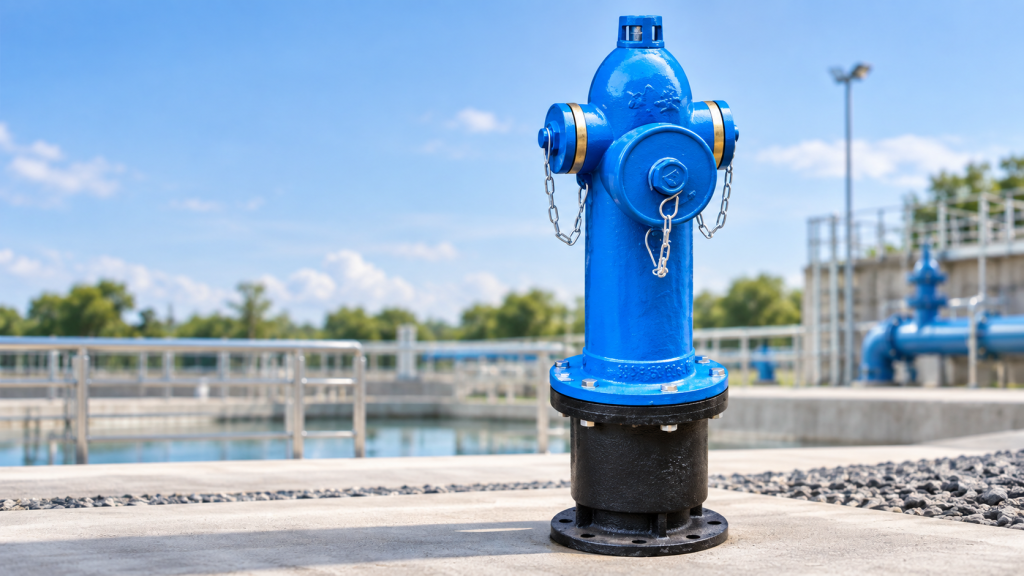
A Stand Post Hydrant serves as a crucial above-ground connection point for firefighters to access the municipal water supply during emergency situations. Its elevated design ensures easy visibility and accessibility, which can significantly impact response times during critical fire events. Unlike flush hydrants buried beneath the surface, stand post hydrants provide a readily identifiable and accessible water source, allowing firefighters to quickly connect and extinguish fires.
The installation and maintenance of stand post hydrants are vital aspects of urban infrastructure and building safety systems. These essential water access points form a network that enables rapid emergency response and fire suppression capabilities. Proper installation and maintenance are paramount to ensure they function flawlessly when needed most, making it crucial to understand the complexities and requirements of stand post hydrant installation.
Effective installation and maintenance of stand post hydrants require careful consideration of various factors, including location, spacing, and system integration. Improper installation or neglect of maintenance can compromise the hydrant’s functionality, putting public safety at risk. This article aims to provide a comprehensive overview of the engineering context, operating conditions, and best practices for the installation and maintenance of stand post hydrants.
Engineering Context for Installation and Maintenance of Stand Post Hydrants
When installing stand post hydrants, engineers must consider several key factors to ensure optimal performance and reliability. The hydrant’s primary function is to provide a readily accessible water source for firefighting operations, making its installation and maintenance crucial for public safety.
The design and components of stand post hydrants vary, but typically include a robust, vertical barrel made of durable materials such as ductile cast iron, as seen in Vahid Valves’ Stand Post Hydrant PN 10/16, which features a body and bonnet made of ductile cast iron GJS400 EN 1563 (DIN 1693). The barrel is anchored securely to the water main and rises above ground level, making it prominently visible and easy to access.
Proper installation requires careful consideration of the water supply capabilities, including flow rates and pressure requirements. Municipal water systems typically require minimum flow rates of 500-1500 gallons per minute, depending on the area’s classification and risk assessment. Pressure requirements typically range from 20 to 100 PSI during peak usage.
Location and spacing guidelines also play a critical role in the installation process. Typical requirements specify maximum distances between hydr
Operating Conditions and Required Input Data
When installing and maintaining stand post hydrants, understanding the operating conditions and required input data is crucial for optimal performance and longevity. The hydrant’s design and functionality are influenced by various factors, including environmental conditions, water pressure, and flow rates.
The stand post hydrant, typically used in residential and industrial areas for fire extinguishing purposes, operates effectively in all climatic conditions. Its design incorporates features such as a self-discharge system to prevent freezing in winter and a protection guard to prevent theft of brass parts. The hydrant’s body, bonnet, and extension pipes are made of ductile cast iron GJS400, as per EN 1563 (DIN 1693), ensuring durability and resistance to corrosion.
Key Operating Conditions:
- Ambient temperature: The hydrant’s epoxy powder coating and polyester coating provide protection against corrosion and sunlight, allowing it to operate effectively in various temperatures.
- Water pressure: The hydrant is designed to withstand specific pressure ranges, typically up to PN 10/16, as indicated in the Vahid Valves catalog.
- Flow rates: The hydrant’s outlets
Selection and Sizing Considerations
Selecting and sizing a stand post hydrant involves several critical factors that ensure optimal performance and safety. The primary consideration is the hydrant’s pressure rating, which must align with the municipal water supply’s capabilities. Stand post hydrants are typically rated for PN 10/16, indicating they can withstand pressures up to 16 bar. This rating ensures the hydrant can deliver sufficient water flow during firefighting operations without compromising structural integrity.
Material selection is another key factor. The hydrant body, bonnet, and extension pipes are commonly made of ductile cast iron (GJS400) to ensure durability and resistance to corrosion. The lower part, buried underground, is coated with epoxy powder, while the upper part is coated with polyester to enhance resistance against sunlight and environmental factors. Inner components, such as the spindle and sealing rings, are made from stainless steel and NBR rubber, respectively, to ensure longevity and reliability.
Installation location and spacing are crucial for effective emergency response. Hydrants should be placed at strategic points, typically every 300 to 600 feet, depending on the area’s fire risk assessment. This spacing ensures that firefighters can quickly access water sources during emergencies. The hydrant must be visible and easily accessible, with adequate clearance for hose connection and operation. Proper excavation and assembly procedures are essential to prevent ground settlement and ensure the hydrant’s stability.
Environmental conditions also play a significant role in the selection and sizing of stand post hydrants. The hydrant must be able to operate in various climatic conditions, including extreme temperatures and harsh weather. The use of corrosion-resistant materials and coatings ensures the hydrant’s longevity and reliability in different environmental settings.
In summary, selecting and sizing a stand post hydrant requires careful consideration of pressure ratings, material selection, installation location, and environmental conditions. These factors ensure that the hydrant can deliver sufficient water flow during firefighting operations and maintain its structural integrity over time.
Installation and System Integration
Proper installation and system integration of stand post hydrants are crucial for ensuring reliable fire protection and compliance with regulatory requirements. When installing a stand post hydrant, it is essential to consider factors such as location, accessibility, and connection to the water supply.
The hydrant’s body, bonnet, and extension pipes are typically made of ductile cast iron, providing durability and resistance to corrosion. For example, Vahid Valves’ Stand Post Hydrant PN 10/16 features a body and bonnet made of ductile cast iron GJS400, as per EN 1563 (DIN 1693). The hydrant’s inlet and outlet connections must be compatible with the existing piping system, and the installation should be designed to prevent freezing and ensure easy maintenance.
NFPA 14, the National Standard for the Installation of Standpipe and Hose Systems, dictates material specifications, hydraulic calculations, and installation procedures. Compliance with this standard ensures that the standpipe system can deliver the required flow and pressure under worst-case scenarios. Additionally, local regulations, such as Los Angeles Regulation 4, may have specific testing and maintenance requirements.
During installation, consideration should be given to the hydrant’s operating conditions, including water pressure
Common Failure Modes and Design Mistakes
Stand post hydrants are critical components of fire protection systems, but their effectiveness can be compromised by several common failure modes and design mistakes. One prevalent issue is improper installation, which can lead to leaks or reduced water flow. For instance, incorrect alignment of the hydrant with the water main or inadequate sealing of connections can result in water loss and compromised safety. Another critical failure mode is the use of incompatible materials, such as low-quality cast iron or improperly coated components, which can lead to corrosion and structural failure over time.
Design mistakes also play a significant role in the reliability of stand post hydrants. A common oversight is the lack of proper drainage systems, which can cause water to pool around the hydrant, leading to freezing in cold climates or erosion of the surrounding soil. Additionally, the absence of a protective cover or guard can expose the hydrant to vandalism or accidental damage, further reducing its functionality during emergencies. Furthermore, the design of the operating mechanism, such as the bonnet and valve stem, must be robust enough to withstand frequent use and environmental stresses without binding or malfunctioning.
Another critical aspect is the selection of the correct type of hydrant for the specific application. Using a hydrant with insufficient flow capacity or pressure rating can lead to inadequate firefighting capabilities. For example, a hydrant designed for residential use may not provide the necessary water volume for large-scale fires in industrial areas. Similarly, the choice of materials must align with the local environmental conditions, such as resistance to corrosion in coastal areas or high temperatures in arid regions. Proper maintenance and regular inspections are also essential to identify and address potential issues before they escalate into major failures.
In summary, the reliability of stand post hydrants depends on careful installation, robust design, and proper maintenance. Engineers and installers must be aware of these common failure modes and design mistakes to ensure that these critical components function effectively during emergencies. By addressing these issues proactively, the overall safety and efficiency of fire protection systems can be significantly enhanced.
Inspection and Maintenance Considerations
Regular inspection and maintenance of Stand Post Hydrants are crucial to ensure their optimal performance and longevity. These hydrants, typically used in residential and industrial areas for fire extinguishing purposes, require periodic checks to guarantee their functionality.
Inspection Checklist
Inspecting a Stand Post Hydrant involves several key steps:
- Visual inspection of the hydrant body, bonnet, and extension pipes for signs of damage, corrosion, or wear.
- Checking the gate rubbers for any signs of deterioration and ensuring they are properly seated.
- Verifying that all bolts, nuts, and other fasteners are securely tightened and not corroded.
- Testing the hydrant’s discharge capabilities and ensuring that the self-discharge system is functioning correctly to prevent freezing in winter.
Maintenance Requirements
Maintenance of Stand Post Hydrants includes:
- Applying protective coatings as needed to prevent corrosion, with the lower part underground coated with epoxy powder and the upper part coated with polyester.
- Replacing worn-out parts
Engineering Takeaways
When installing and maintaining stand post hydrants, engineers and technicians should prioritize careful planning and regular upkeep to ensure optimal performance and longevity. Proper installation involves considering factors such as location, soil conditions, and water pressure to prevent damage and ensure safe operation. Regular maintenance tasks, including inspection and testing, can help identify potential issues before they become major problems. It is also essential to follow relevant industry standards and guidelines to ensure compliance and safety. By taking a proactive and informed approach, engineers and technicians can help ensure the reliable operation of stand post hydrants and prevent costly repairs or downtime.
Frequently Asked Questions
What are the key considerations for installing a Stand Post Hydrant?
When installing a Stand Post Hydrant, it is essential to consider the location and purpose of the hydrant. Stand Post Hydrants are typically used in residential and industrial areas where safety equipment is necessary for fire extinguishing purposes. The hydrant should be installed in a location that allows for easy access and operation. Additionally, the installation should comply with relevant standards and regulations, such as ISIRI 2481.
How do I maintain a Stand Post Hydrant?
Regular maintenance is crucial to ensure the proper functioning of a Stand Post Hydrant. The hydrant should be inspected regularly for signs of wear and tear, and any damaged or corroded parts should be replaced promptly. The epoxy powder coating on the body and bonnet should be checked for any damage or degradation, and the O-rings and gaskets should be inspected for signs of wear. The hydrant’s self-discharge system should also be checked to ensure that it is functioning correctly.
What are the benefits of the self-discharge system in a Stand Post Hydrant?Technical References
- Stand Post Type Fire Hydrant: A Comprehensive Guide for Municipalities …
- Fire Hydrant Installation: Key Standards and Tips
- Standpipe Systems 101: A Comprehensive Guide to Design, Installation, and Maintenance – Immediate Fire Protection
- Installation, field testing, and maintenance of fire hydrants