
How to Choose the Right Industrial Valve
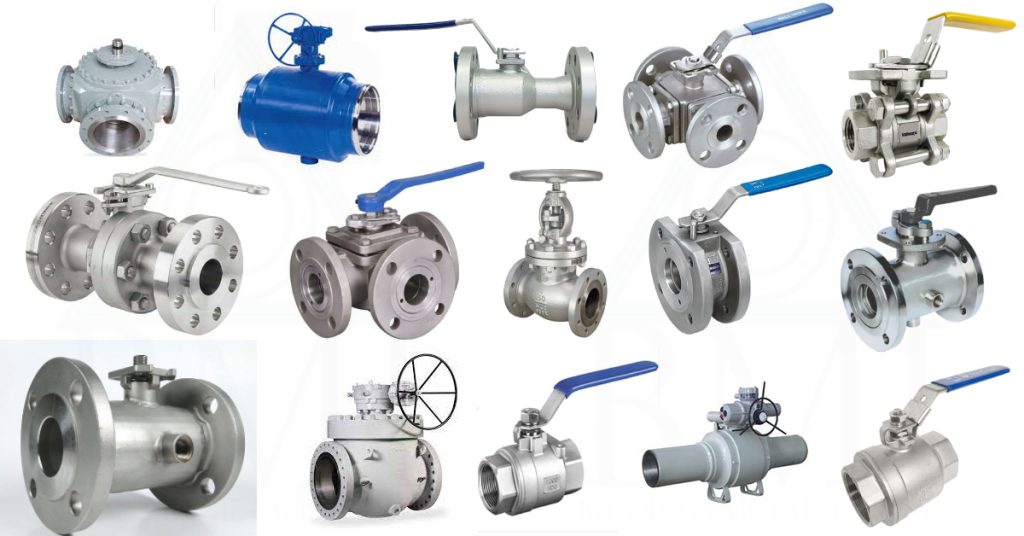
Choosing the right industrial valve depends on the operating condition of the pipeline, not only the valve size or product name. Each valve type is designed for a specific function, and using the wrong valve can affect flow control, sealing performance, pressure loss, maintenance access and service life.
The first step is to review the fluid or medium passing through the line. Clean water, wastewater, slurry, viscous fluids, chemical sludge and industrial utility lines may require different valve designs. For example, check valves are commonly used to prevent reverse flow in pumping systems, while knife valves may be selected for isolation service in lines carrying slurry, sludge or high-viscosity fluids.
Pressure rating is another important factor. The selected valve must match the pressure class of the pipeline and the operating conditions of the system. Terms such as PN and Class are used to describe pressure ratings, and they should be checked together with flange standard, test standard and connection type before final selection.
Valve function should also be considered. Gate valves are mainly used for fully open or fully closed service. Butterfly valves are often used in larger pipelines where compact design and quick operation are important. Check valves help prevent backflow, especially near pumps. Knife valves are suitable for applications where the medium may contain solids or sticky materials.
Installation conditions can also affect the final choice. Engineers should review pipe alignment, available space, flow direction, access for operation, maintenance requirements and compatibility with existing flanges. In some systems, inspection and maintenance access may be just as important as the valve type itself.
Before selecting an industrial valve, it is useful to check the following items: fluid type, pressure rating, temperature, pipe size, connection type, valve function, installation position, maintenance access, test standard and application environment.
A properly selected valve helps improve system reliability, reduce unnecessary maintenance and support safer operation in waterworks, wastewater, irrigation, fire protection and industrial pipeline systems.